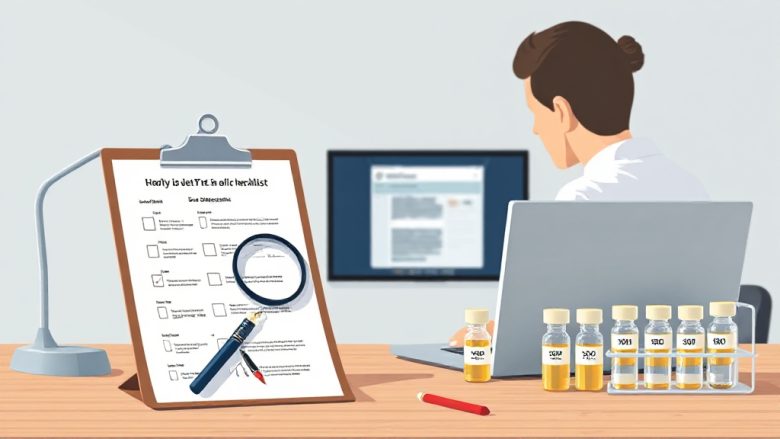
How to Vet a Research Chemical Supplier Before You Order
A lab-adjacent hobbyist once had a checkout page open, card details typed in, ready to buy a compound from a site that looked polished and professional. Something felt off: no batch number, no third-party analysis, and a support email that bounced. That near-miss is common. This article is a verification framework, not a recommendation of any vendor, and it applies whether you are sourcing for personal study or helping a small procurement team avoid costly mistakes.
The short answer to the search intent behind research chemical suppliers is this: treat every supplier as unverified until documentation, transparency, and communication habits prove otherwise. Buyers typically want to learn how to compare vendors, confirm legitimacy, and find a place to order safely. The steps below cover all three.
Start With the Supplier’s Identity and Contact Reality
Before you evaluate a single product page, confirm that the business is a real, reachable entity. Scam sites often reuse stock layouts and vanish after a few months, so identity checks are the cheapest filter you have.
Check registration and physical presence
Look for a company name, a physical address, and a registration or tax identifier that matches the country the site claims to operate from. A PO box alone is not disqualifying, but a supplier that hides behind a contact form and a free email domain deserves extra scrutiny. Cross-check the address on independent business directories rather than trusting the site’s own footer.
Test communication before you buy
Send a short, specific question about documentation or shipping timelines. A legitimate operation answers within a reasonable window, in clear language, and without pressure to order immediately. If the reply is vague, copy-pasted, or pushes a discount that expires in minutes, that is your first red flag.
Read reviews outside the supplier’s site
Testimonials hosted on the vendor’s own domain are marketing, not evidence. Search independent forums, community threads, and complaint boards for the company name plus words like “delivery,” “purity,” or “refund.” Patterns matter more than single posts: repeated complaints about substituted products or silent support are strong signals to walk away.
Demand Batch-Level Documentation, Not Just Claims
Purity claims printed on a product page are easy to fabricate. What separates a serious operation from a careless one is whether it can produce documents tied to the specific batch you are buying.
Certificates of analysis and third-party testing
Ask for a certificate of analysis that lists the batch or lot number, the testing laboratory, the analytical method, and the date. Then check that the batch number on the certificate matches the product you are ordering. A supplier that sends a generic certificate with no lot reference, or one recycled across every product, is not giving you verifiable information.
Traceability from synthesis to shipment
Good documentation includes storage conditions, handling notes, and a clear statement of what the compound is and is not intended for. If you are procuring for a small team, keep these records on file; they protect you if a question arises later about what you received and when.
Watch for documentation red flags
Blurred scans, expired analysis dates, lab names that do not exist, and certificates that describe a different compound than the one listed are all signs of a supplier cutting corners. Documentation you cannot verify is not documentation.
Compare Product Pages, Packaging, and Shipping Disclosures
Once identity and documentation pass, compare how the supplier presents and ships its products. This is where careful buyers separate professional operations from storefronts that treat research compounds like ordinary retail goods.
What a credible product page includes
A clear chemical name, CAS number where applicable, stated form and quantity, storage guidance, and a visible batch reference. Pages that use vague names, omit quantities, or rely on hype language instead of technical detail are aimed at impulse buyers, not researchers.
Packaging and handling standards
Ask how compounds are sealed, labeled, and protected during transit. Proper labeling with batch numbers and safety information is a baseline expectation. If a supplier cannot describe its packaging process, assume it has not thought about it.
Shipping, customs, and returns
Read the shipping policy for dispatch times, tracking, and what happens if a parcel is held or seized. A supplier that promises guaranteed delivery across borders without qualification is either naive or misleading. Clear return and reshipment terms, stated plainly, are a sign of experience.
Red Flags That Should Stop an Order
Some warnings are serious enough that no amount of polished design or low pricing justifies proceeding. Use this comparison as a quick screening table before you commit.
| Signal | What it suggests | Action |
|---|---|---|
| No batch numbers or certificates | Untraceable product quality | Request documents or walk away |
| Prices far below market | Substitution or bait pricing | Compare against several vendors |
| Pressure tactics and expiring deals | Manipulative sales approach | Slow down; do not rush payment |
| Only free email and contact form | Hard to hold accountable | Test support before ordering |
| No clear legal or compliance statements | Indifference to buyer risk | Treat as unsuitable |
Any single red flag is a reason to pause; two or more should end the evaluation. Legitimate research chemical suppliers compete on reliability and transparency, not on urgency.
Weigh Payment Methods, Pricing, and Legal Responsibility
The final layer of due diligence is about money and accountability. How a supplier handles payment tells you a lot about how it would handle a problem after the sale.
Payment options and buyer protection
Prefer methods that leave a trace and offer dispute options. Requests for irreversible transfers or cryptocurrency-only payment from an unknown vendor remove your ability to recover funds. If a supplier offers multiple payment routes, that usually indicates a more established business.
Realistic pricing and minimum orders
Compare prices across several vendors for the same compound and quantity. Extreme discounts are a warning, not a bargain. Also check minimum order values and whether small quantities are available, since a supplier geared only to bulk buyers may not suit individual research needs.
Know your own legal position
Regulations for research compounds vary by country and change over time. Before ordering, confirm that the substance is legal to possess where you live and that you understand any labeling or record-keeping requirements. A responsible supplier states its compliance position clearly; it does not encourage buyers to ignore local rules.
Your Decision Checklist Before Checkout
Use this sequence as a final gate. If any step fails, stop and reassess rather than hoping for the best.
- Confirm the company name, address, and registration match independent records.
- Get a reply to a specific pre-sale question within a reasonable time.
- Obtain a batch-specific certificate of analysis and verify the lot number.
- Check product pages for technical detail, not marketing language.
- Read shipping, customs, and return terms in full.
- Screen for red flags using the table above.
- Choose a traceable payment method and confirm your local legal position.
Vetting research chemical suppliers is mostly about patience. A vendor that welcomes questions, supplies verifiable documents, and communicates plainly is worth the extra days of checking. One that dodges those steps is telling you exactly how it will behave after your money arrives. Verify first, order second, and keep your records.